

 2345浏览器
 火狐浏览器
火狐浏览器 谷歌浏览器
谷歌浏览器6月1日是国际儿童节,这是属于全世界小朋友的快乐日子!大家在这一天可以收到礼物,还能痛快地玩一整天。你有没有想过一个问题:在中国古代,既没有手机也没有游乐园,那时候的小孩儿也过节吗?他们都玩些什么呢?
June 1 is International Children’s Day—a joyful occasion dedicated to children around the world! On this special day, kids receive gifts, enjoy fun activities, and spend the whole day celebrating. But have you ever wondered: in ancient China, long before smartphones, video games, and amusement parks existed, did children have holidays of their own? And if they did, what kinds of activities did they enjoy?
别着急,今天我们回到几千年前去看看。虽然古代没有专门的儿童节,但古人一年四季至少有四个节日,都可以当成“儿童节”来过呢!
Today, let’s travel back thousands of years to find out. Although there was no official Children’s Day in ancient China, there were at least four festivals throughout the year that children looked forward to and celebrated with great excitement。
春节:最像“儿童节”的年末大戏
Spring Festival:The Closest Thing to
a Children’s Day

如果要给古代的“儿童节”排个名,春节绝对是第一名!
If we had to choose the most child-friendly festival in ancient China, the Spring Festival would certainly take first place.
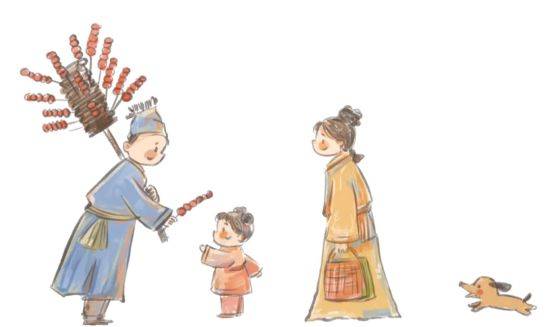
在农历正月初一,古时候的小孩不仅和我们一样穿新衣、吃糖果、拿压岁钱,还能玩到各种稀奇古怪的玩具。诗人苏轼就曾在诗中描述过年孩子嬉闹的场景,“儿童强不睡,相守夜欢哗”。说的就是除夕夜的时候,小孩子兴奋得硬撑着不睡觉,大家嘻嘻哈哈闹成一团。
On the first day of the Lunar New Year, children enjoyed many of the same traditions that kids still love today: wearing new clothes, eating sweets, and receiving lucky money from elders. They also played with a variety of fascinating toys. The famous poet Su Shi once described children celebrating the New Year in his poetry: “Children refuse to sleep, staying up together in joyful excitement”. The line captures the lively atmosphere of New Year’s Eve, when children were so excited that they tried their best to stay awake and celebrate late into the night。
三月初三:春天的“撒欢节”
The Third Day of the Third Lunar Month:
Spring Outing Festival
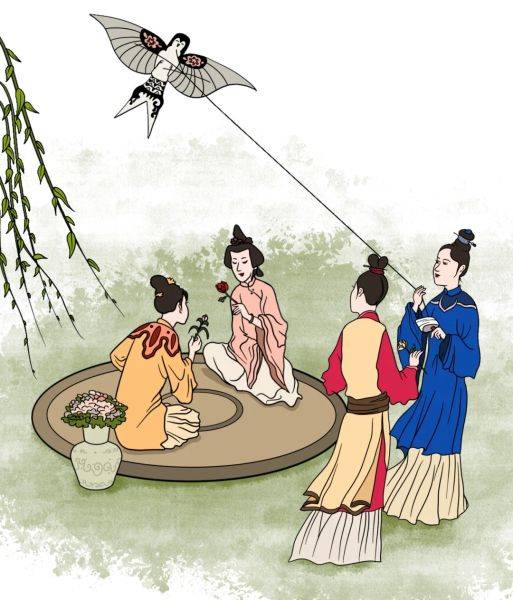
在中国古代,农历三月初三是一个非常隆重的节日,叫上巳节。
In ancient China, the third day of the third lunar month was an important celebration known as the Shangsi Festival.
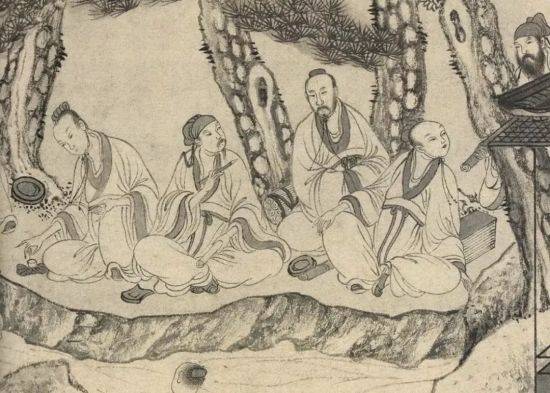
《论语》里就记载了孔子在这天带着学生们一起春游的场景:“暮春者,春服既成,冠者五六人,童子六七人,浴乎沂,风乎舞雩,咏而归。”
The Analects of Confucius records a scene in which Confucius and his students spent the day enjoying a spring outing. The passage describes adults and children gathering together, bathing in a river, enjoying the breeze, singing songs, and returning home happily.
上巳节,有一个习俗就是“祓禊(fú xì)”:古时人们去河边沐浴,用兰草洗身,柳枝沾花瓣水点头身的仪式。《风俗通义·祀典·禊》:“巳者,祉也”。意为既除病,又祈求福祉降临。
One of the festival’s most important traditions was a ritual called fuxi. People would wash themselves in rivers, use fragrant herbs such as orchids for cleansing, and sprinkle flower-scented water on their bodies with willow branches. These rituals were believed to ward off illness and bring good fortune.

每年这一天,上至天子诸侯,下至庶民百姓,都穿上新缝制的春装,倾城邀约而出。或到江河之滨嬉戏沐浴,或至深山幽谷采摘兰草。或去郊野陌上宴饮行乐,认为这样可以祓除不祥。对于小朋友们来说,这一天就是春游玩乐的好日子!
On this day, everyone—from emperors and nobles to ordinary families—put on newly made spring clothing and headed outdoors. Some played and bathed by rivers, others gathered herbs in the mountains, while many enjoyed picnics and festivities in the countryside. For children, it was the perfect day for outdoor adventures and springtime fun.
五月初五:最忙碌的“端午乐”
Dragon Boat Festival:
A Day of Food and Games
你可能觉得端午节是纪念屈原的,但古代的小孩都觉得这天是“吃粽子节”和“运动节”!
Today, many people associate the Dragon Boat Festival with the patriotic poet Qu Yuan. For children in ancient China, however, it was also a day filled with delicious food and exciting games.
在端午节这天,除了吃粽子,大人们还会给小孩子手腕上缠上五彩的丝线,胸前挂上香喷喷的香囊,据说这样可以驱虫辟邪,保佑平安。
Besides eating sticky rice dumplings, known as zongzi, children often wore colorful silk threads around their wrists and carried fragrant sachets on their clothing. People believed these items could protect children from insects, illness, and evil spirits.
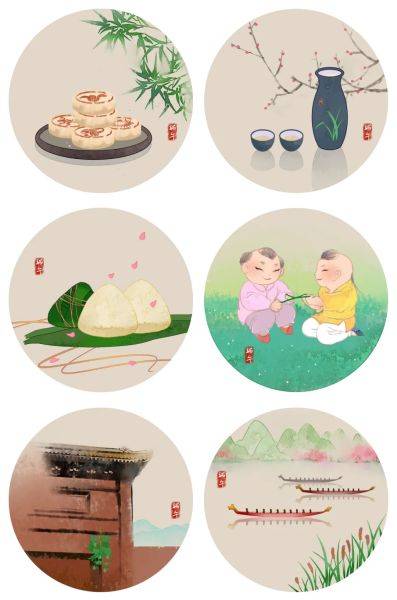
而且端午节刚好是夏天,最流行玩一种叫“斗草”的游戏。大家去摘各种植物的叶子和花茎,互相交叉拉拽,比谁的草更结实,或者比谁认识的草种类多,这就是属于大自然的“PK赛”。
Since the festival takes place in early summer, one of the most popular games was called “grass fighting”. Children collected different plants, leaves, and stems and challenged one another to see whose plants were stronger or who could identify the greatest number of species. It was a friendly competition inspired by nature itself.
八月十五:月亮下的“玩具节”
Mid-Autumn Festival:
A Festival of Moonlight and Toys
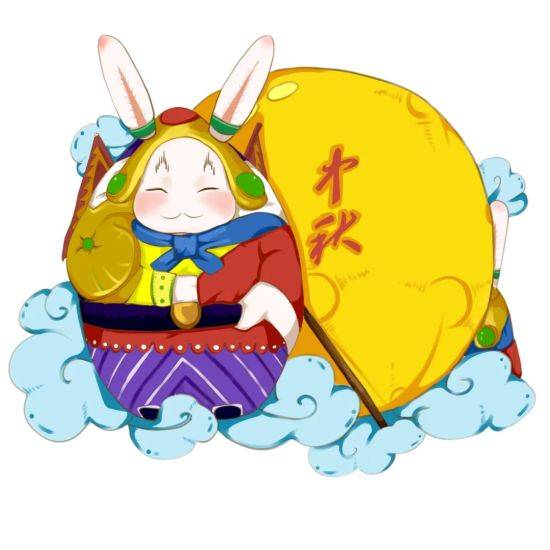
到了秋天,中秋节来了。这时候除了吃甜甜的月饼,古代小孩最期待的就是“兔儿爷”!
When autumn arrived, children eagerly awaited the Mid-Autumn Festival. Of course, there were mooncakes to enjoy, but many children—especially those in Beijing—looked forward most to receiving a Rabbit Lord (Tu’er Ye).
图片
“兔儿爷”是用泥巴做的,它长得白白胖胖,穿着盔甲或者衣服,骑着老虎或者狮子,可爱极了,它是北京孩子们中秋节最想要的礼物。
These clay figurines were often painted white and dressed in armor or colorful robes. Some were shown riding tigers or lions, making them both charming and imaginative toys. They became one of the most popular Mid-Autumn gifts for children.
夜晚,孩子们会趁着皎洁的月光,在院子里、巷子里尽情地捉迷藏、追逐嬉戏。月光那么亮,根本不需要路灯,孩子们的笑声能传到很远很远。
As night fell, children played hide-and-seek and chased one another through courtyards and alleyways under the bright moonlight. The moon was so luminous that no streetlights were needed, and their laughter echoed through the night.
除了玩,古画里还藏着“彩蛋”
Hidden Clues in Ancient Paintings
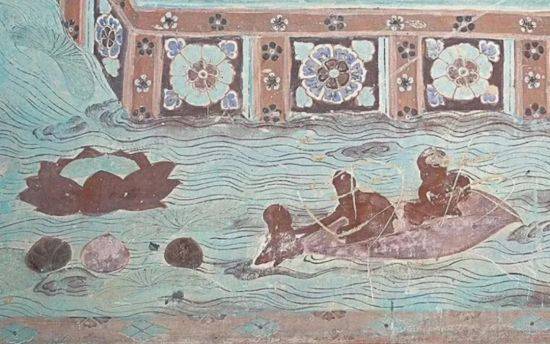
我们怎么知道古代小孩玩这些呢?除了文字记载,还能从敦煌壁画和古代名画里找到证据!
How do we know what children did in ancient times? Historical writings provide some answers, but ancient artworks offer valuable evidence as well.
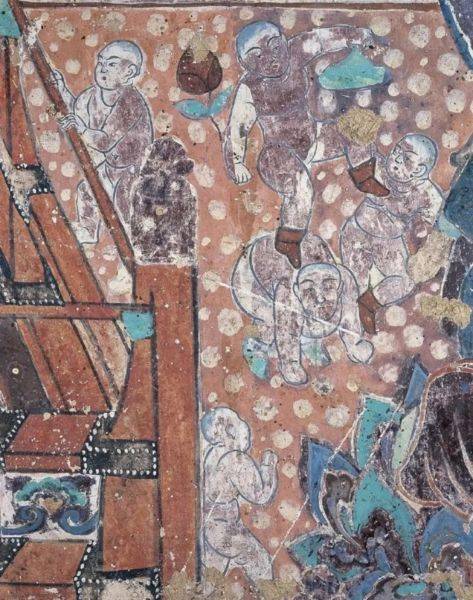
在敦煌莫高窟的壁画里,画师们画下了千年前孩子们的日常:骑竹马、玩沙土、甚至表演叠罗汉和倒立,花样比我们还多。而在故宫博物院收藏的“婴戏图”中,一群群白白胖胖的小朋友在庭院里敲锣打鼓、放鞭炮、下棋,热闹极了。
The murals of the Mogao Caves in Dunhuang depict scenes of children’s daily lives from more than a thousand years ago. They show youngsters riding bamboo hobbyhorses, playing in the sand, performing acrobatics, and even doing handstands. Meanwhile, paintings known as Children at Play, now preserved in museums such as the Palace Museum, portray groups of cheerful children beating drums, setting off firecrackers, playing board games, and enjoying lively celebrations in garden courtyards.
所以你看,虽然古代没有专门给儿童的节日,但只要保持一颗纯真的童心,每一天都可以是快乐的儿童节!